


Invisible Methane: The Orphan Well Crisis — Carbon2o2
Climate Analysis · Carbon2o2 Invisible Methane: The Orphan Well Crisis in the United States Carbon2o2 Research · 8 min read · Methane · Orphan Wells · Carbon Credits When we think about
Invisible Methane: The Orphan Well Crisis in the United States
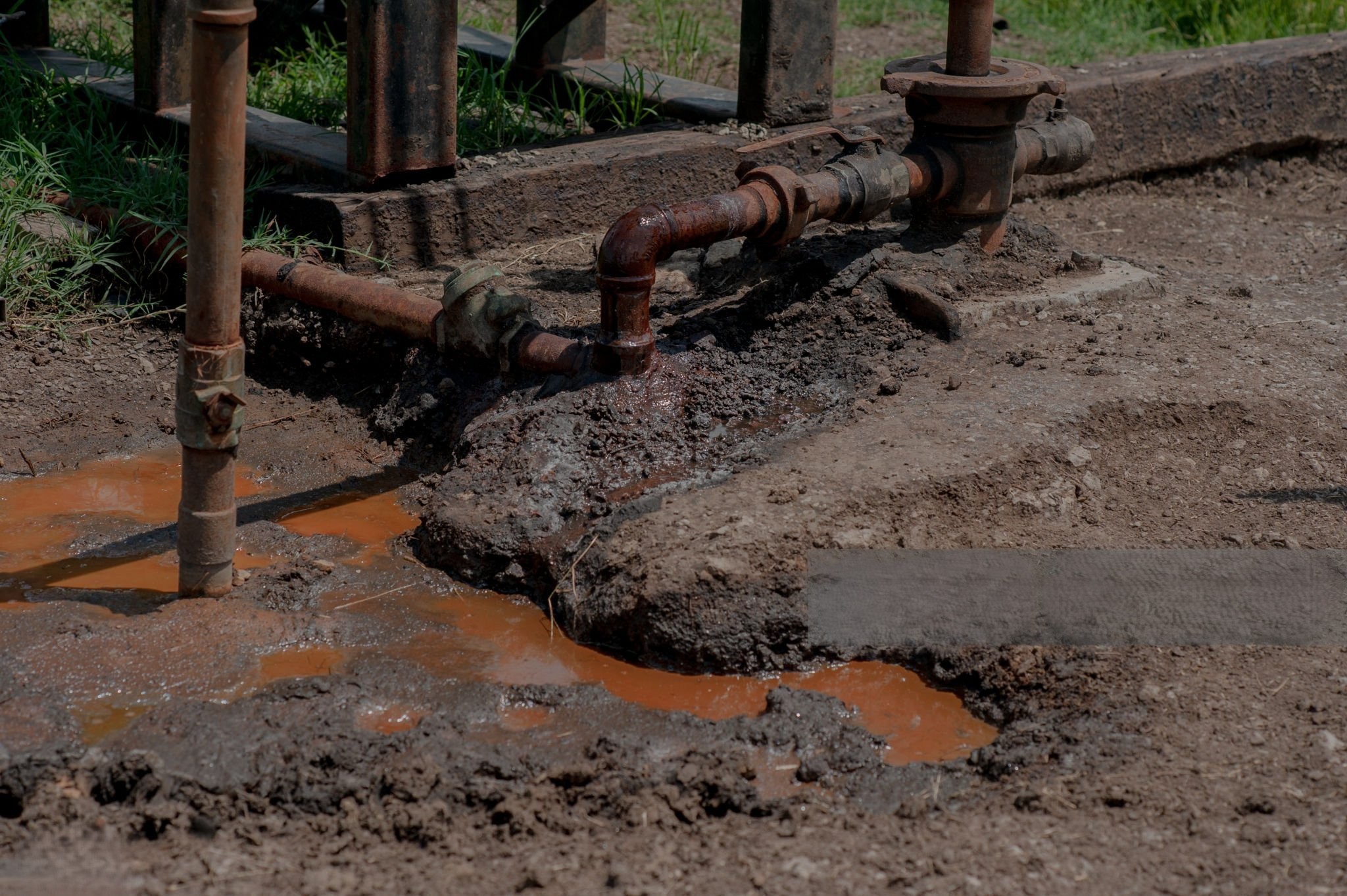
When we think about climate change, we usually imagine industrial smokestacks or heavy traffic. However, one of the greatest threats to our climate hides completely invisible, right beneath our feet: abandoned oil and gas wells — orphan wells.
Far from being harmless relics of a bygone industrial era, these boreholes are active conduits continuously releasing toxic gases into the atmosphere. At Carbon2o2, we believe that understanding this problem is the first step — the second is financing its solution.
Why Do Abandoned Wells Leak?
The useful life of an oil or gas well ends when extraction is no longer economically profitable. Legally and ethically, companies are supposed to plug these wells securely. However, over decades of corporate bankruptcies, ownership changes, and lax regulations, millions of wells were simply abandoned — leaving no legal owner responsible.
Over time, physics and chemistry do their destructive work:
- Casing Corrosion: The steel pipes lining the well rust and rupture due to moisture and minerals in the subsurface.
- Cement Degradation: The original cement used to seal the well walls cracks under tectonic pressure and temperature shifts.
This deterioration creates a direct highway for methane (CH?) and other pressurized gases in underground deposits to escape to the surface — leaking into the air uninterrupted, 24 hours a day, 365 days a year.
The Magnitude of the Problem in the United States
We are not talking about isolated incidents.
Estimated unplugged orphan wells in the United States alone, according to EPA and geological studies. Globally, the figure exceeds 30 million abandoned wells.
The map of this crisis spans the entire country but features high-concentration hotspots. Regions historically tied to extraction — Texas, Oklahoma, Louisiana, and the Appalachian Basin — are heavily perforated. Many of these wells are now located beneath agricultural lands, protected forests, and even in backyards and underneath residential neighborhoods.
The Hidden Impact: Climate and Public Health
Leaving these wells open has devastating consequences on two main fronts:
Accelerating Global Warming
Methane is an exceptionally potent greenhouse gas. Over a 20-year period, its global warming potential is more than 80 times greater than CO?. Every leaking well is a direct blow to Net-Zero targets.
Toxic Exposure to Communities
The gas mixture that escapes often contains Volatile Organic Compounds (VOCs) and highly toxic substances like benzene and xylene — triggering respiratory illness and explosion risks in homes.
Over a 20-year period, methane has a global warming potential more than 80 times greater than that of carbon dioxide. Every well that continues to leak is a direct blow to global efforts to reach Net-Zero.
The Solution: Plugging, Sealing, and Technology
Unlike other complex climate challenges, the solution to orphan wells is a matter of known engineering. It involves cleaning out the wellbore and pumping specialized cement at strategic depths to permanently isolate geological formations and block gas escape. It is a highly effective and permanent process.
The real obstacle is not technological, but financial. Plugging a well requires specialized crews, heavy machinery, and geological assessments — which can cost tens of thousands of dollars per borehole.
The Carbon2o2 Model
Through our D-MRV (Digital Measurement, Reporting, and Verification) platform, we transform a massive environmental liability into a high-integrity climate asset in four steps:
Closing an orphan well offers an unmatched dual benefit: it immediately stops a climate time bomb and removes a toxic hazard directly threatening local communities. Unlike reforestation — which takes decades and can reverse — a cemented well cannot re-emit. The impact is instantaneous and permanent.
The problem is massive. But the opportunity for impact — and for investors — is even greater.
Seal the Past. Invest in the Future.
Be among the first to access detailed financial projections, legal documentation, and the full technical due diligence package for Fund P1.
Explore the P1 Acceleration Fund ?Qualified investors only. All information strictly confidential.
Read more
Explore our latest articles and updates.